For professionals

Mūsų vertybės daro įtaką kiekvienam mūsų sprendimui, kiekvienam žingsniui, kurį žengiame, siekdami savo tikslo – suteikti pasauliui būtinas inovacijas, kad jis galėtų klestėti.

Mes nuolat atrandame ir teikiame novatoriškus ir tvaresnius sprendimus, kurie padeda pasauliui klestėti

Derindami savo mokslinę ir taikomųjų programų kūrimo patirtį su tvarumo principais ir skaitmeniniais įrankiais, mes spartiname inovacijų plėtrą ir didiname jų poveikį pasauliui.

Stogų tyrimas

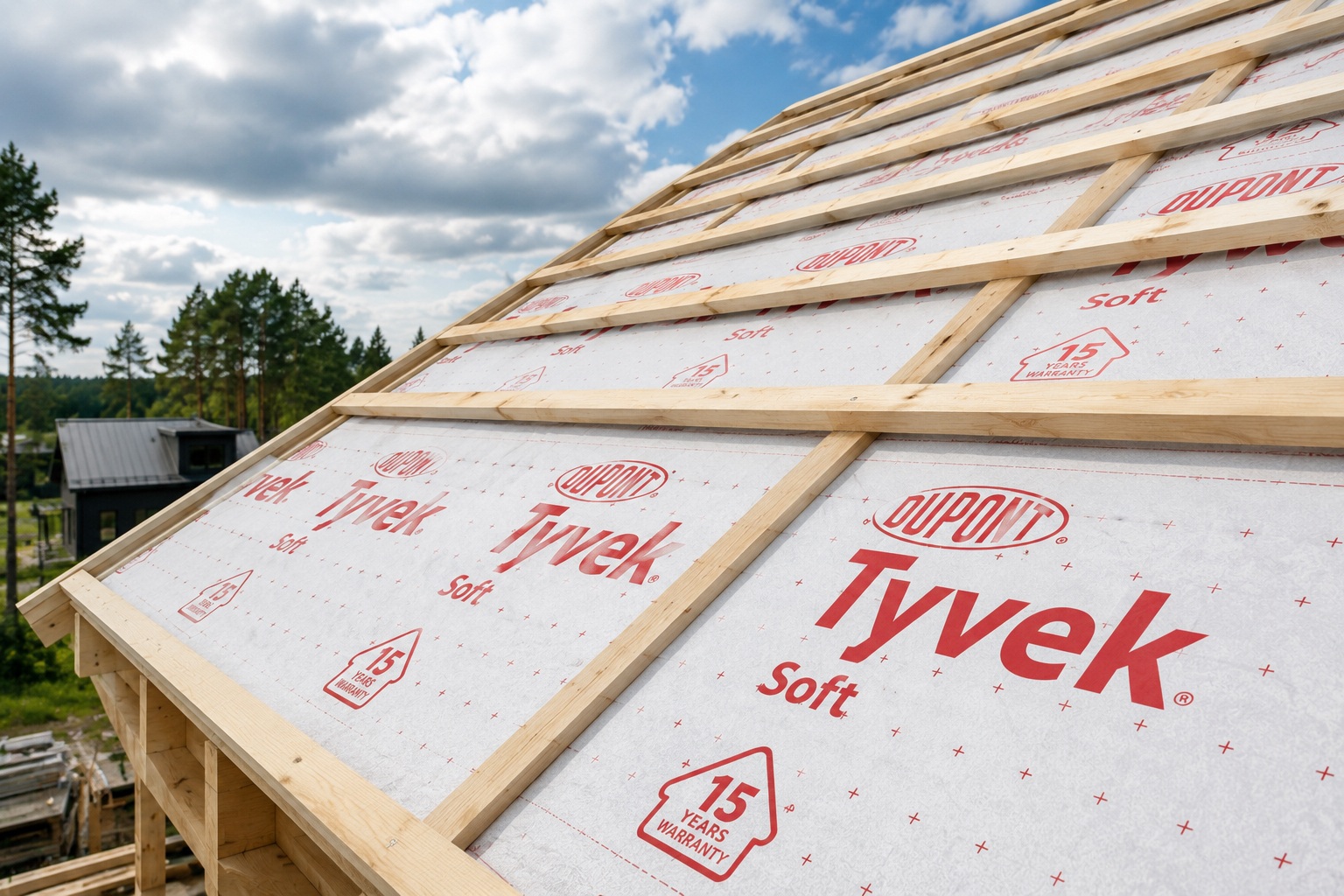
Vos per 1 minutę galite pamatyti
Tyvek® pranašumą prieš kitas plėveles.

„DuPont“ yra statybos mokslo lyderė visose srityse ir taikymo srityse, siūlanti statybines medžiagas, kuriomis galite pasitikėti

Šiandien mažiname komercinės statybos eksploatavimo išlaidas ir padedame kurti efektyvesnius, tvaresnius gyvenamuosius ir komercinius pastatus, kad pasaulis taptų ekologiškesnis ir sveikesnis. Tiekiame specializuotas statybines medžiagas kelių ir tiltų, telekomunikacijų, elektros ir vandens gamyklų – infrastruktūros, nuo kurios priklauso jūsų bendruomenė – statybai ir priežiūrai.

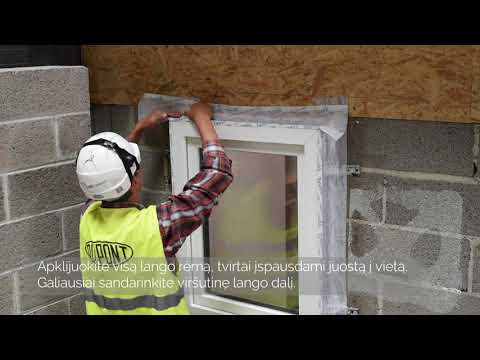
Vaizdo įrašai
profesionalams

What is a windproof membrane and how does it differ from a roof diffusion membrane?

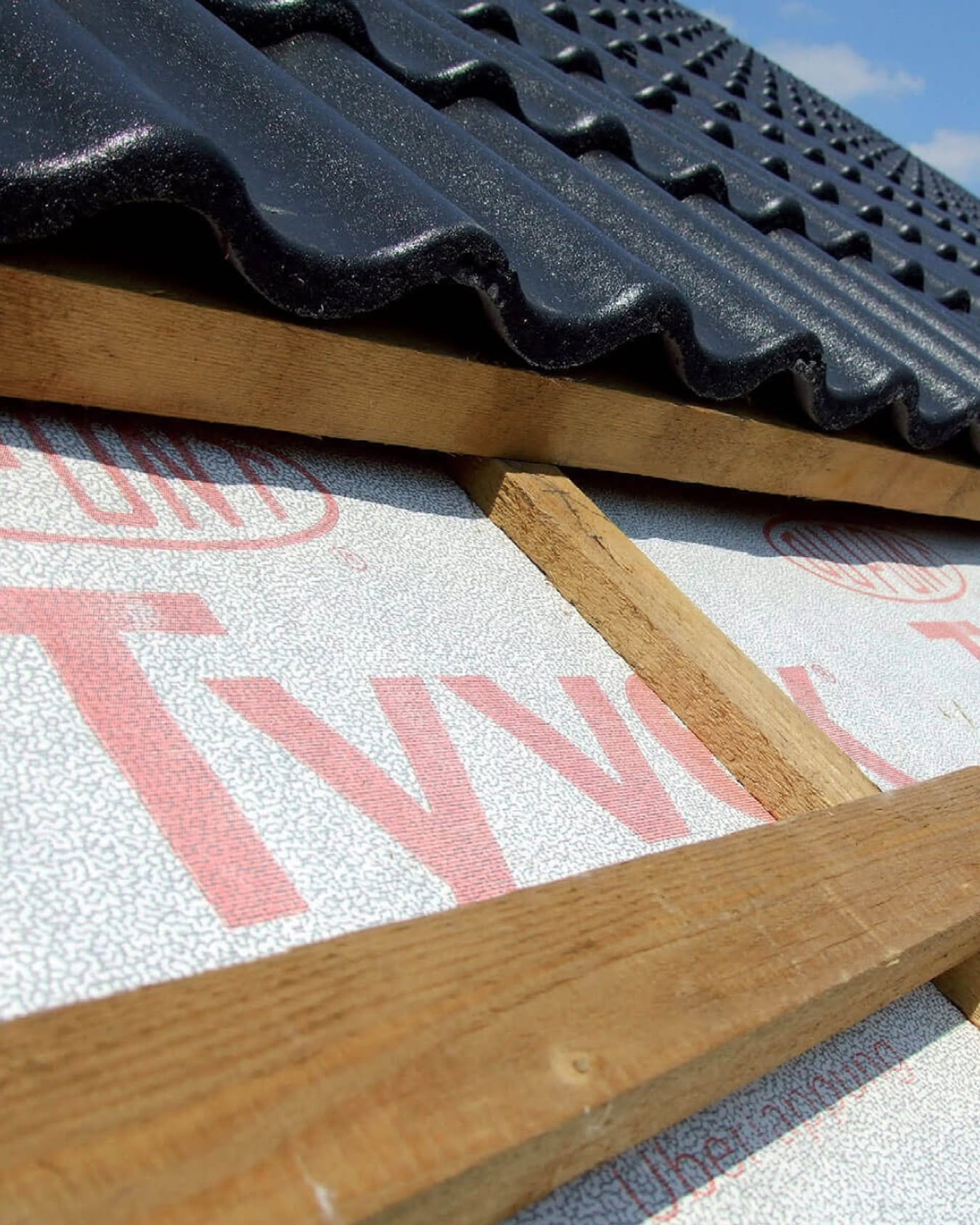
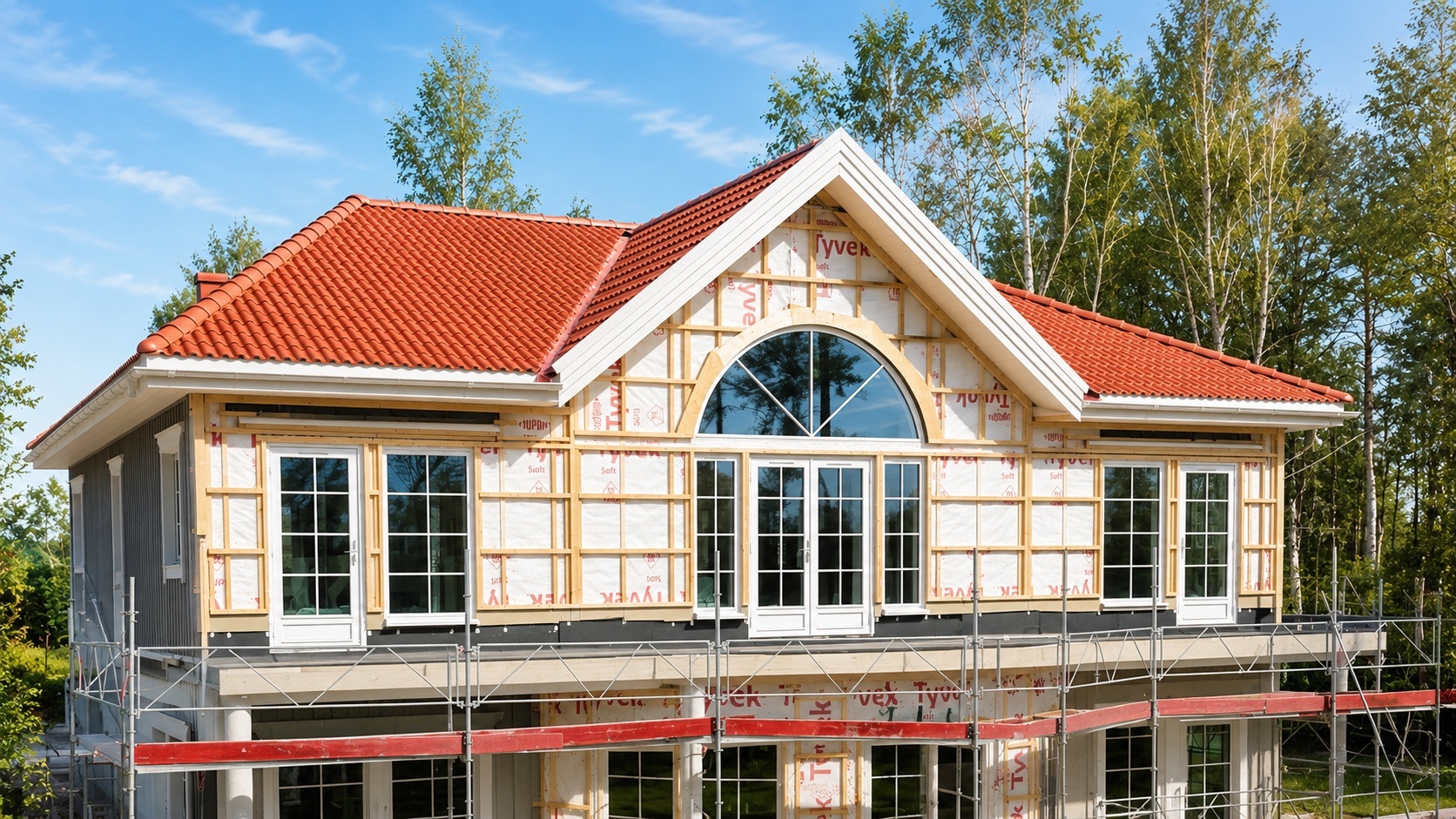
A windproof membrane is a breathable (diffusion) material compliant with EN 13859-2, suitable for the waterproofing of wall structures. Important: A membrane compliant only with EN 13859-2 can be used exclusively in wall structures. If the material complies with both EN 13859-1 and EN 13859-2, it can be used in both wall and roof structures.

What is the function of a diffusion membrane?

Its main function is waterproofing—protecting wooden wall or roof structures from external moisture. Additional functions: protection against wind penetration into the insulation layer and removal of internal moisture through diffusion.

What are the advantages of using diffusion membranes in roof and wall structures compared to non-breathable materials?

Diffusion membranes allow for more flexible design solutions, the use of soft thermal insulation materials, and provide 100% protection against rain and wind.

What are three-layer diffusion membranes? Their structure, advantages, and disadvantages?

They are a type of breathable membrane made of 3–4 layers with specific functions. Typically: two protective spunbond layers + one very thin polyethylene functional layer. Advantages: low market price, good mechanical strength during installation. Disadvantages: short lifespan due to thin functional layer, poor temperature resistance under metal cladding, weak vapor permeability.

What are the key parameters to consider when choosing a diffusion membrane?

  • Water resistance class (W1)
  • Thickness of the functional layer (the thicker, the better)
  • Temperature and UV resistance
  • Vapor permeability (Sd value)
  • Additional: tensile strength, manufacturer’s warranty.

What is the Sd value?

The equivalent air layer thickness of water vapor resistance (in meters). Lower Sd → more vapor permeability, higher breathability. Higher Sd → stronger vapor barrier. Typical Sd: diffusion membranes 0.015–0.07 m; vapor barriers 2–2000 m.

What does water column height indicate?

It shows the amount of water a membrane can withstand on its surface. New membranes: 0.8–6 m. More important: durability after natural or artificial aging.

What is the minimum water column height for diffusion membranes?

According to EU standards, to achieve W1 class, a membrane must withstand 20 cm water column for 2 hours.

Why must membranes for roofs and walls be UV resistant?

UV rays degrade polyethylene and polypropylene layers, especially the thin functional layer, causing cracks and loss of waterproofing.

How to protect membranes from harmful UV effects?

Choose high-quality, certified materials with warranty. Cover membranes quickly after installation to avoid prolonged sun exposure.

Does overall thickness affect the quality of a diffusion membrane?

No. Only the thickness of the functional layer affects durability. Overall thickness mainly determines mechanical strength.

What is the functional layer?

It is the active layer responsible for functionality: blocks water and wind, allows vapor passage.

What is the typical thickness of the functional layer in diffusion membranes?

Multi-layer membranes: 11–45 µm. Tyvek membranes: two functional layers, 175–220 µm each.

Jūs neprivalote
visko žinoti. DUK

Atsakymai į dažniausiai užduodamus klausimus
apie plėveles ir sandarinimo produktus

What is the durability of diffusion membranes?

Studies (2018) show: standard multi-layer membranes last 6–9 years. Tyvek membranes remain functional for 20+ years. Study link

Should diffusion membranes be taped?

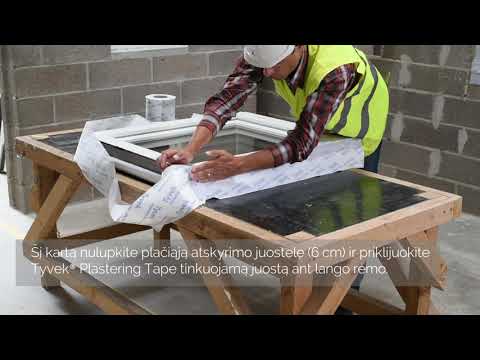
Yes. Taping ensures a continuous, airtight wall or roof structure. Insulation performs best when dry and sealed.

Can 200-micron polyethylene film be used for sealing?

No. Thickness in microns is irrelevant. Key parameter: Sd value (recommended ≥10–13 m). Also check: a) CE certification b) Airtightness tests c) Durability (15–20 years warranty recommended) d) Low elasticity (for proper installation) e) Fire class (A2 class membranes now available).

Are all sealing tapes the same?

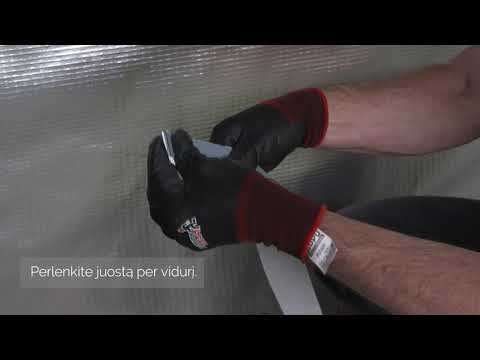
No. They differ in carrier layers and adhesive formulas. Since tapes are not CE-certified, choose branded products with ≥10 years warranty.

How to choose a quality vapor barrier membrane?

  • Low elasticity
  • CE and EN 13984 certification
  • Fire resistance ≥ E class
  • Temperature resistance –40 °C to +80 °C
  • Zero air permeability (Bendtsen method)
  • Durability after artificial aging.

How to choose a quality sealing tape?

Check:
  • Versatility of application
  • UV resistance
  • Operating temperature range
  • Warranty.

Are all flexible sealing foams the same

No. They differ in composition and technology. Example: DuPont Insta Stik Flex+ with patented technology, airtight, usable without inner tape (with DuPont DUO system). Only DuPont offers up to 25-year warranty for foams.

Can windows be sealed with mastic?

Yes. When choosing mastic, check:
  • UV resistance (≥5–6 months)
  • Paintability/plaster compatibility
  • Airtightness
  • Certification and durability tests
  • Warranty.

Is smart vapor control suitable for my home? Will it let vapor through?

Yes, for standard residential houses it is ideal. Not suitable for very humid rooms (e.g. sauna, pool).

Are all reflective membranes the same?

No. For maximum benefit, choose products with:
  • Sd value ≥1500 m
  • Emissivity ≤0.05 (lower value = higher heat reflection, e.g. 0.05 = reflects up to 95% heat).
Scroll to Top